EN


What size camping roof tent fits 2–3 people comfortably?
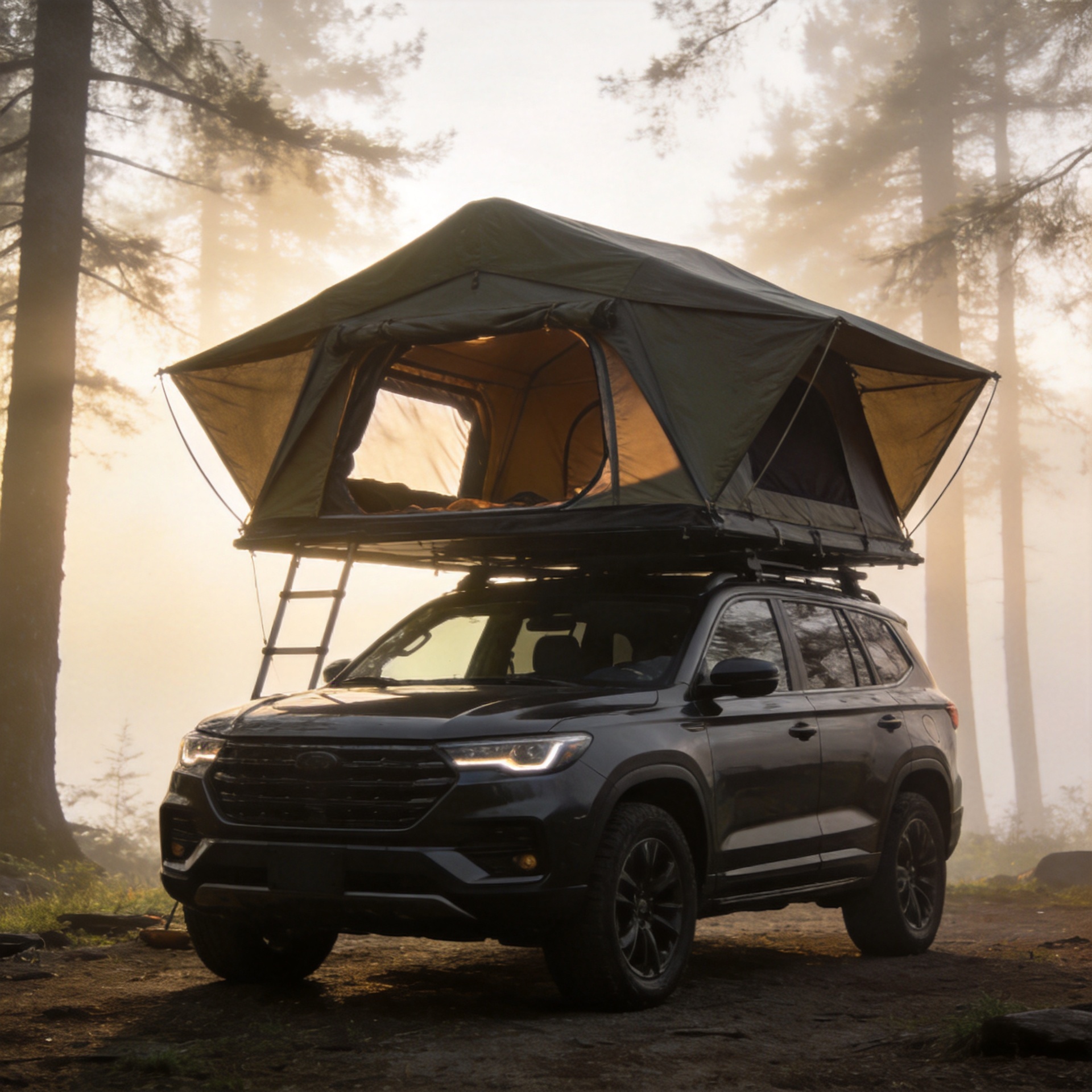
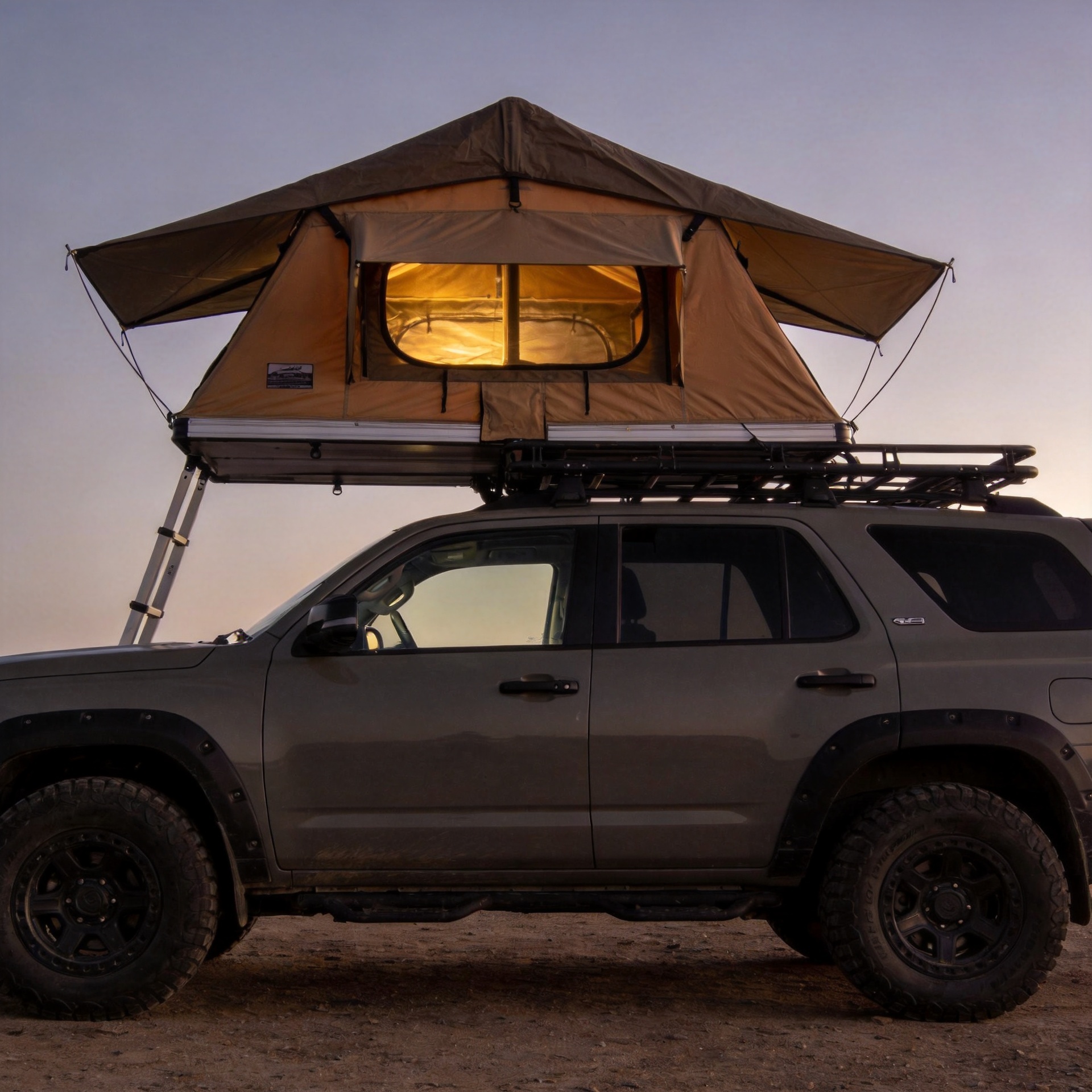
A camping roof tent can make a weekend trip feel wonderfully simple: park, open the shelter, and settle in above the ground. The difficult part is choosing a berth count that still feels livable after mattresses, sleeping bags, tapered walls, and a real person’s shoulders enter the picture. A “2–3 person” label is a starting point, not a comfort promise.
For most couples, a camping roof tent with a usable sleeping width of about 130–140 cm is a sensible baseline. For two adults and a child, or for two adults who value room to turn and store bedding, aim wider when the vehicle and rack can support it. Floor dimensions, roof-load limits, and the way you camp matter more than the number printed beside a model name.
Start with usable sleeping width, not the berth label
The listed capacity of a camping roof tent usually describes how many bodies can lie down inside, not how spacious the night will feel. A narrow floor can work for one adult or a compact couple on occasional trips. Add a child, broad shoulders, winter sleeping bags, or a restless sleeper, and the same layout can feel crowded quickly.
As a practical rule of thumb, many campers treat roughly 130–140 cm of mattress width as the lower comfort range for two adults. That is not a universal standard; sleeping positions, body sizes, wall shape, and mattress thickness all change the experience. Still, it is a more useful comparison point than “two-person” alone. Check the internal mattress or floor width, not only the outer shell dimensions of the camping roof tent.
| Who will sleep inside? | Useful starting point | What to verify |
|---|---|---|
| One adult | A compact 1–2 person layout may be sufficient. | Length, headroom, and bedding storage. |
| Two average-size adults | Look for about 130–140 cm of usable width or more. | Mattress width after wall taper and ladder-side intrusion. |
| Two adults plus a small child | Choose a wider 3-person layout where possible. | True sleeping length, entry position, and whether all three fit without overlap. |
| Three adults | Treat a 2–3 person camping roof tent as a tight arrangement. | Width, occupant weight, and vehicle/rack limits before committing. |
Measure the people, the bedding, and the trip style
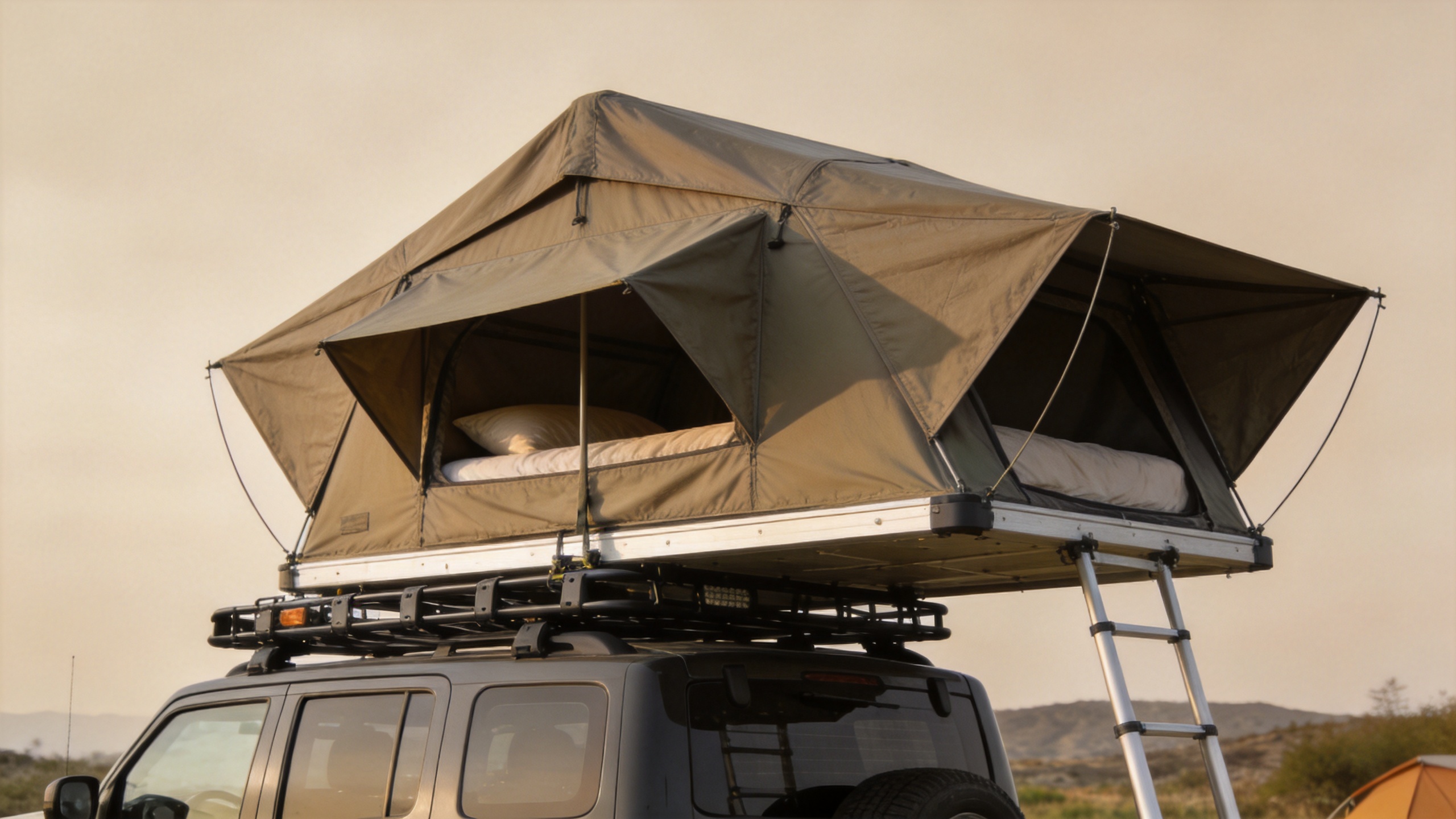
Before comparing a camping roof tent, make a quick bed-space sketch. Write down the tallest sleeper’s height, the shoulder width of the two main occupants, and the sleeping bags or quilts you expect to use. A sleeping platform that looks generous in a product image can lose usable room at the corners or where the fabric slopes down.
Length is often overlooked. A person near 185 cm tall may fit on paper in a 210 cm platform, yet lose toe room once a thick pillow and insulated bedding are in place. If you camp in cold conditions, the bulkier kit matters even more. This is why a camping roof tent sized for a couple’s summer overnights may not feel equally comfortable during a longer shoulder-season trip.
Trip rhythm changes the answer too. For one-night stops and early starts, a close-fitting layout can be acceptable because you mainly sleep in it. For several nights in one place, rainy afternoons, or family travel, extra width and easier movement are worth prioritizing. After a first longer trip, many people reorder their priorities: setup speed and floor room become more important than the berth number that first caught their eye.
For 2–3 people, separate comfort from maximum capacity
A 2–3 person camping roof tent is commonly most comfortable for two adults, or for two adults with a younger child who does not need an adult-sized share of the mattress. It can accommodate three adults for a short night, but that is usually a capacity decision rather than a comfort decision. Be candid about how often all three people will sleep inside.
- Couple who travels light: A two-person camping roof tent may suit you if the floor width is adequate and you store bags in the vehicle.
- Couple with a small child: Favor a wider platform and inspect the ladder and door placement, which can take up useful edge space.
- Three adults: Choose the largest practical sleeping footprint rather than relying on a 2–3 person label.
- Tall or broad-shouldered sleepers: Give more weight to length and width than to a compact packed size.
There is no single correct capacity for every group. If your priority is nightly comfort, the factor to weight most heavily is usable mattress area. If your priority is a lighter, narrower setup for a smaller vehicle, a more compact camping roof tent may be the reasonable compromise.
Confirm vehicle and rack capacity before choosing wider
Size is not only a sleeping question. A wider camping roof tent can weigh more, create more wind area, and require a rack system with appropriate support. Check the vehicle manufacturer’s dynamic roof-load rating—the permitted load while the vehicle is moving—along with the rack maker’s rating and the tent’s packed weight. Do not assume that a rack’s stationary capacity answers the driving question.
Stationary and dynamic ratings are different concepts. The stationary figure relates to the parked vehicle and occupants; the dynamic figure relates to travel, braking, vibration, and road conditions. Both the vehicle documentation and the rack documentation should support the intended installation. If the figures are unclear, ask the vehicle or rack manufacturer before purchasing a camping roof tent.
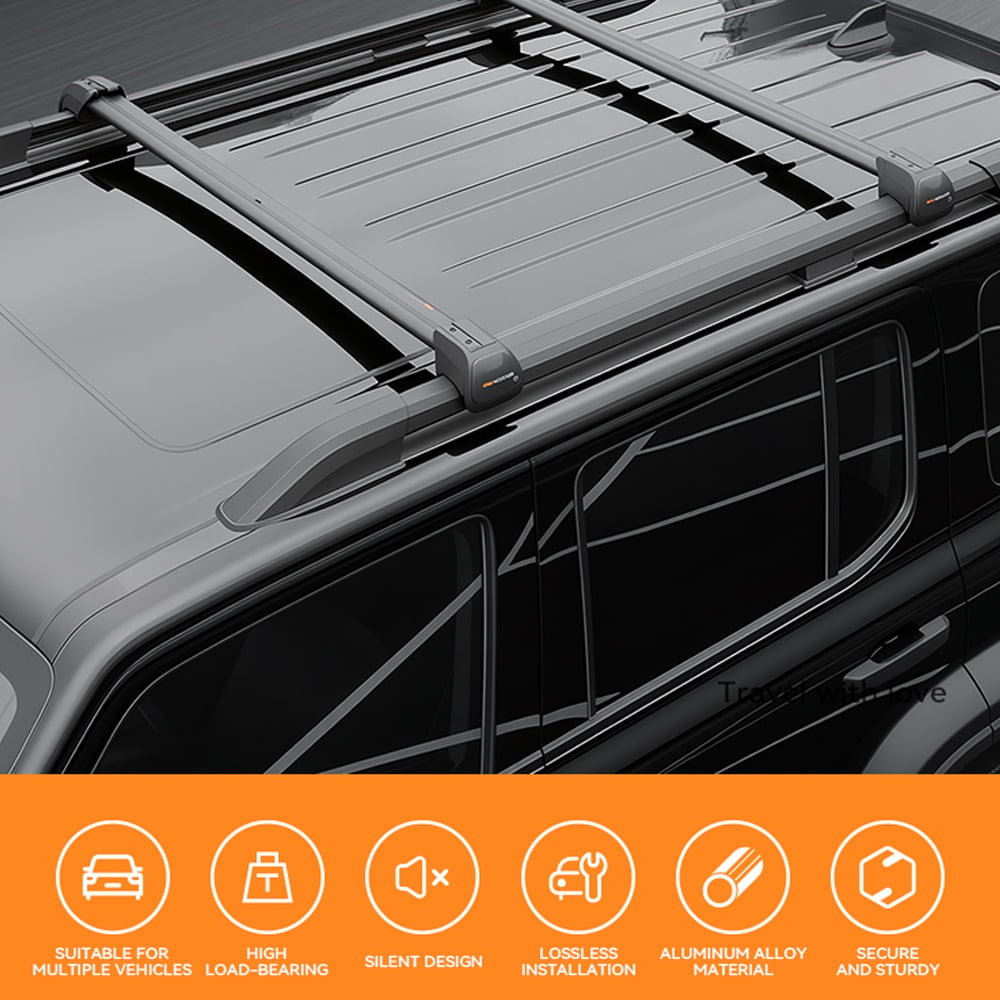
Also inspect crossbar spacing, mounting hardware, and roof geometry. A tent can have enough sleeping room yet still be unsuitable for a particular vehicle setup. Getting compatibility right first avoids trying to solve a load-rating issue by changing only the camping roof tent size.
Use this five-minute comparison checklist
- Record the internal sleeping width and length of each camping roof tent you are considering.
- Compare those measurements with the two largest regular sleepers and your bedding volume.
- Decide whether “three people” means two adults and a child or three adults.
- Verify the tent’s packed weight against both vehicle and rack dynamic ratings.
- Confirm static-capacity guidance, mounting requirements, ladder placement, and the real space lost to doors or tapered walls.
Bottom line: choose room for the people who actually camp
For two adults, a camping roof tent around 130–140 cm wide or more is often a comfortable place to begin comparing models. For two adults plus a child, a wider three-person footprint generally gives the group more breathing room. For three adults, treat the same category as compact unless the internal dimensions clearly support the group.
The more reliable choice is the camping roof tent whose internal dimensions, bedding plan, and vehicle compatibility all match your real trips. Verify the published measurements and load documentation before you order. That small amount of planning is usually what separates a tent that merely fits people from one that lets them rest well.
 Hot News