EN


What’s the difference between a roof rack tent and a ground tent?
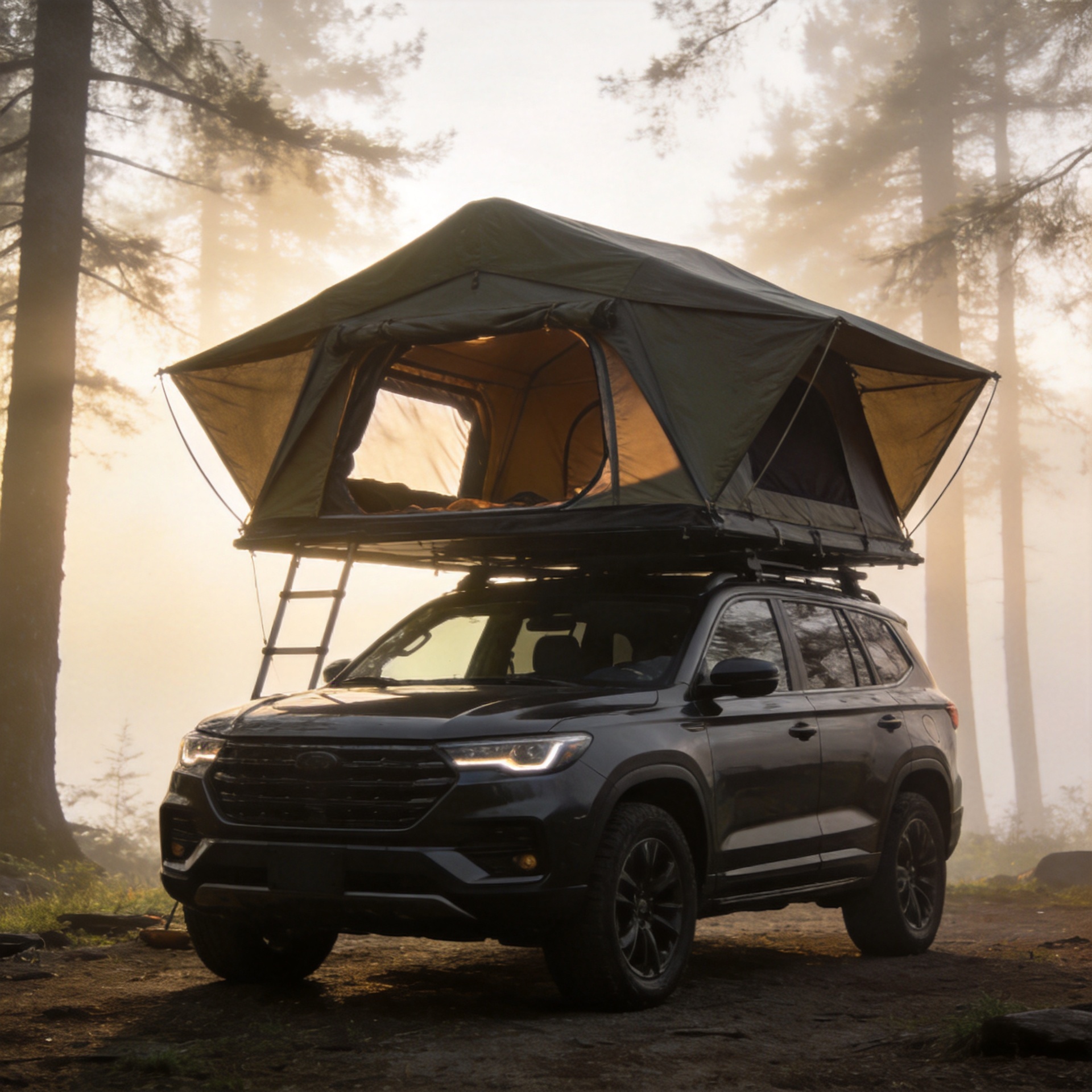
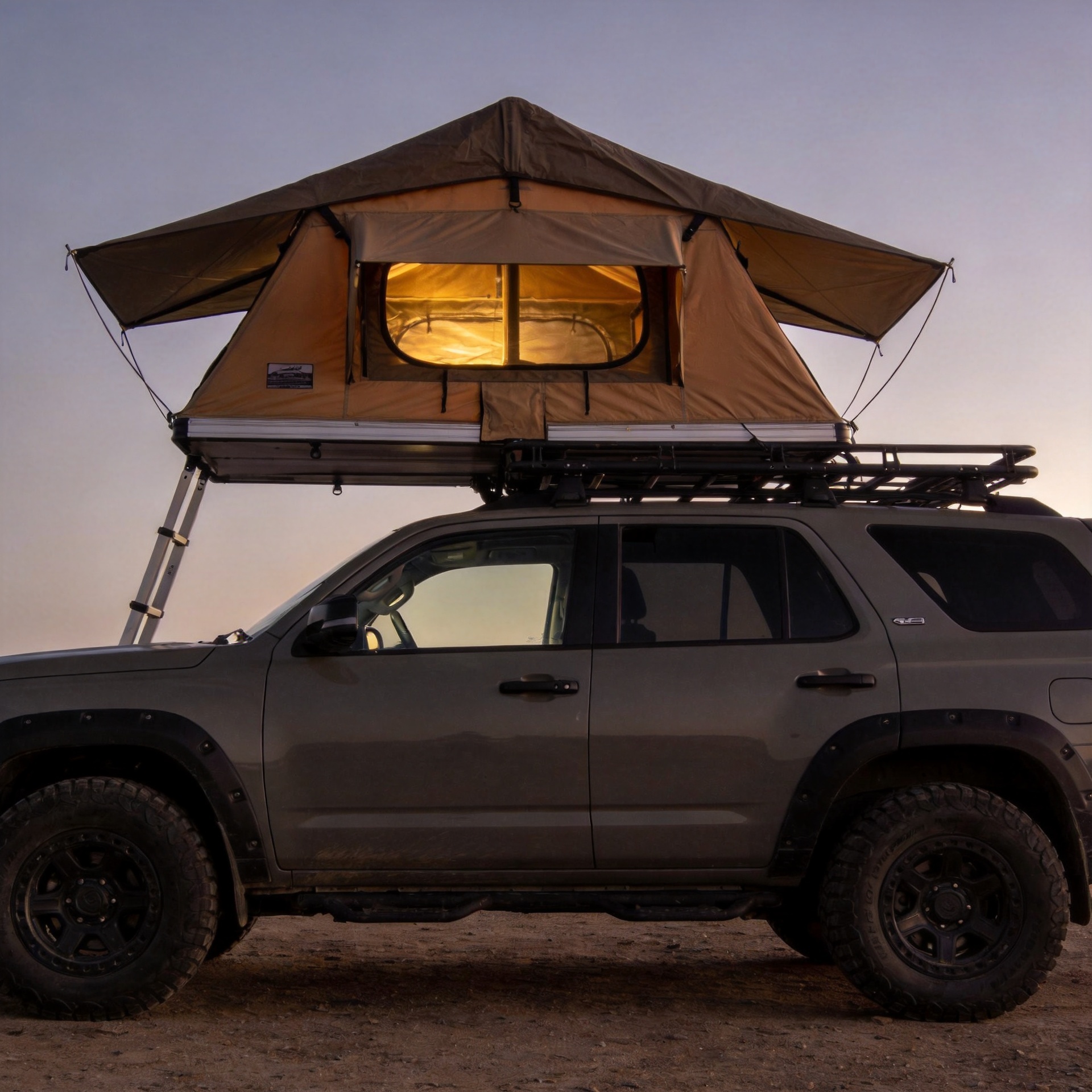
A roof rack tent turns the top of a compatible vehicle into a sleeping platform. A ground tent is pitched on the campsite itself. That sounds like a small distinction, but it changes the way you pack, choose a site, use your vehicle, and budget for camping. Neither style is automatically right for every trip. The useful question is: which compromise fits the way you actually travel?
From an outdoor product design perspective, the structural choices behind a roof rack tent affect more than a product photo can show. Mounting hardware, ladder geometry, packed weight, roof-rack compatibility, and the vehicle’s moving load limit all matter before the first night outdoors. A ground tent has its own checks—floor condition, staking room, drainage, and weather exposure—but it does not place a permanent load above the vehicle.
The basic difference: vehicle-mounted versus site-mounted shelter
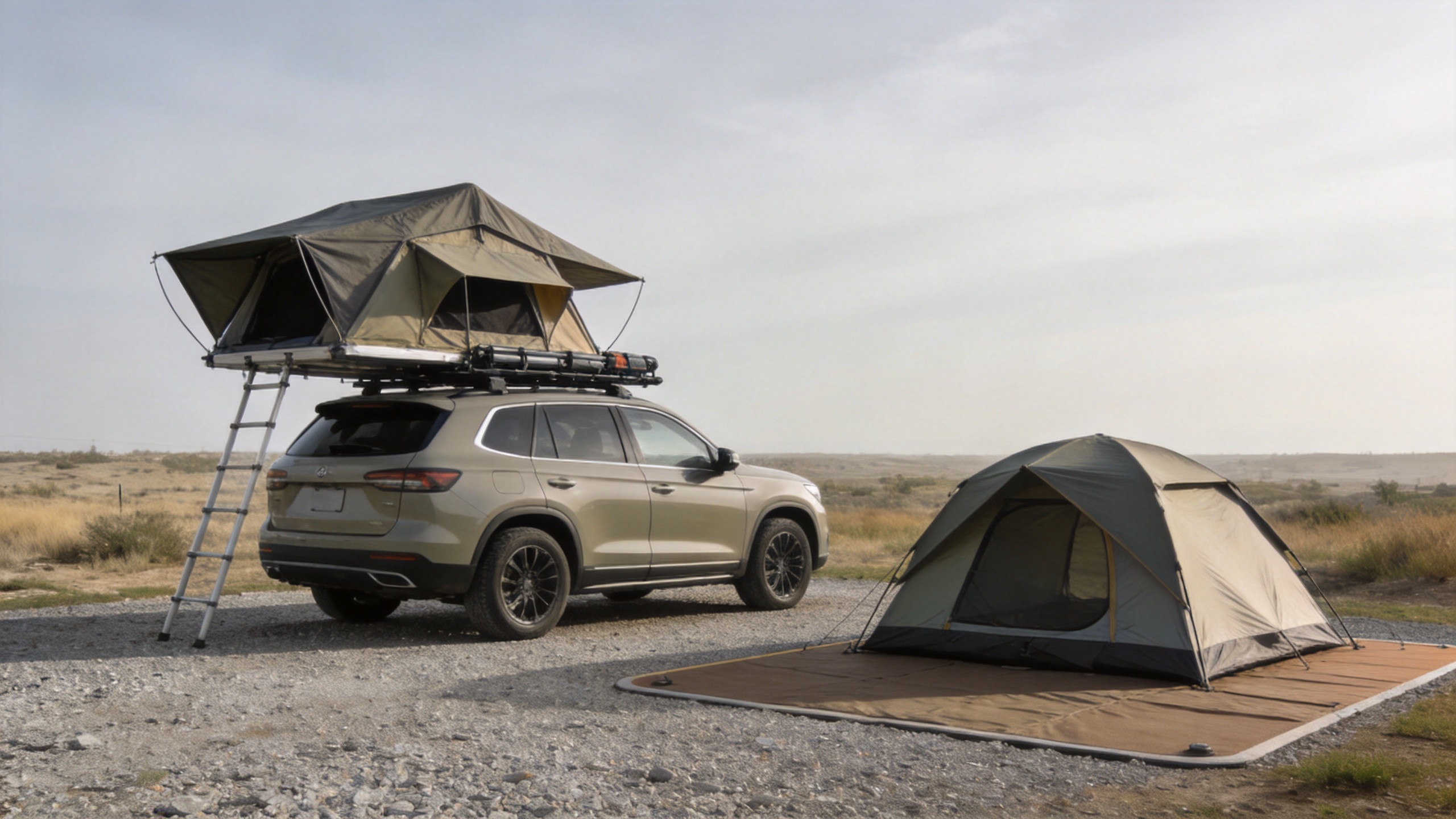
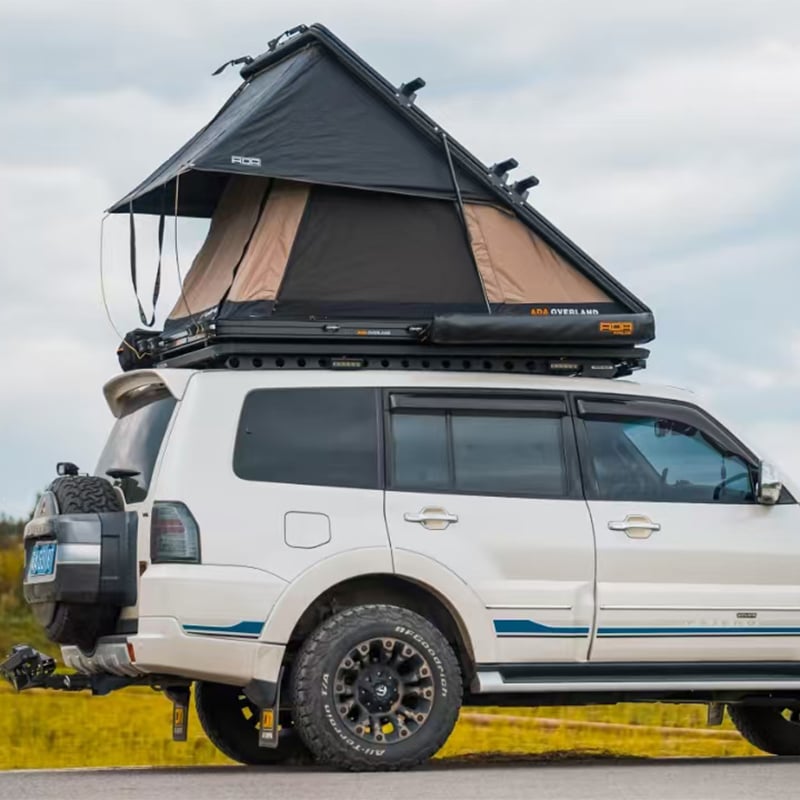
A roof rack tent attaches to a rack or crossbar system and unfolds above the vehicle when camp is reached. Its sleeping area is elevated, usually accessed by a ladder. By contrast, a ground tent is carried separately and placed on a level, durable patch of ground. The ground tent can be used whether the car is nearby or not; a roof rack tent ties your sleeping location to the parked vehicle.
That connection can be helpful on road trips. After a long drive, an experienced user can often open a familiar roof rack tent with fewer loose parts than a traditional tent. Yet “fast setup” deserves context. Quoted times are commonly measured in daylight by someone who already knows the system. Arriving in wind, rain, or darkness can make even a simple sequence slower, especially when the vehicle is uneven.
Setup speed and the daily camp routine
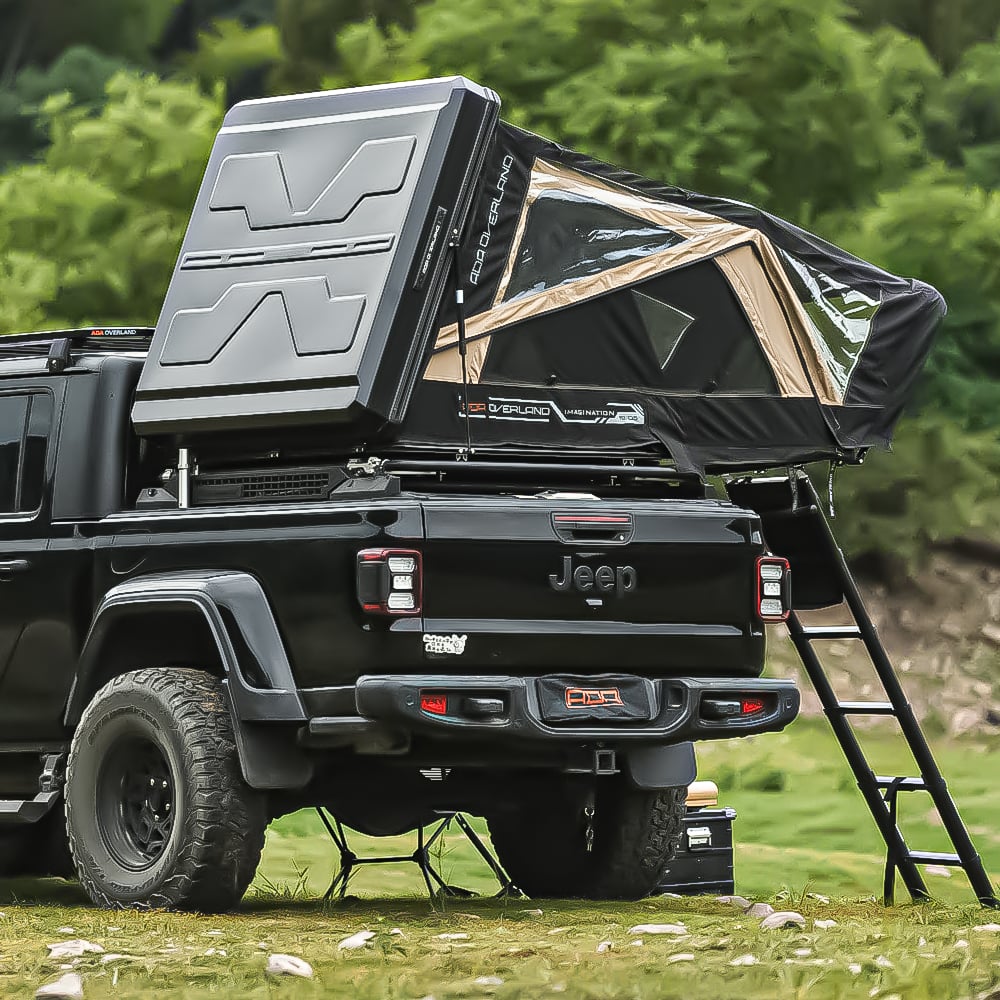
The strongest case for a roof rack tent is frequent stop-and-go travel. If you move every day, keeping the mattress and sleeping space together can reduce unpacking. Hard-shell versions often open with a compact motion, while fold-out designs may offer more floor area but ask for more steps. A ground tent takes longer to pitch, stake, and organize, although a practiced camper can make that process very efficient.
The trade-off appears after camp is established. With a roof rack tent, driving to a trailhead, store, or viewpoint usually means folding the tent first. A ground tent can remain at a permitted campsite while the vehicle leaves. For a single overnight stop, the rooftop approach may feel streamlined. For a three-night base camp with local driving, a ground tent often gives more freedom.
Vehicle compatibility is not optional
A roof rack tent requires a compatible vehicle, a properly rated rack system, and correct mounting. The key number during travel is the dynamic roof load rating: the weight the roof can carry while the vehicle is moving. It is not the same as the static rating used when the vehicle is parked and occupants are in the tent. Check the vehicle manual, rack documentation, tent weight, mounting hardware, and cargo carried on the roof before treating a roof rack tent as an option.
It is tempting to compare only tent weight, but the system matters. A rack can have its own limit, and a vehicle’s handling, clearance, wind exposure, and fuel use may change with a roof rack tent installed. If your vehicle has a modest dynamic rating or you do not want to carry the tent between trips, a ground tent is usually the simpler path.
Comfort, weather, and campsite choice
An elevated roof rack tent can keep the sleeping area clear of muddy ground, minor surface water, and uneven stones. It can also make a compact site feel more orderly because bedding stays above the cargo area. Those are meaningful conveniences, not a promise that every location is suitable. You still need level parking, safe access around the ladder, and enough clearance for the opened tent.
A ground tent gives you more flexibility in where the shelter sits relative to the vehicle, cooking area, shade, and wind direction. It can be especially practical where a parking space is not level but a nearby tent pad is. Good camping practice still applies to either style: use established sites where required, choose durable surfaces, and avoid placing camp close to lakes or streams. A roof rack tent changes your sleeping platform; it does not remove responsibility for selecting a low-impact site.
Weather is similarly conditional. A well-designed roof rack tent may feel comfortable in wet conditions because the sleeping floor is elevated, but wind can be more noticeable higher above the ground. A quality ground tent can perform well in poor weather when it is correctly pitched, tensioned, and placed clear of drainage paths. Fabric ratings alone do not settle the comparison; seam construction, ventilation, setup, and site choice all contribute.
Packing, storage, and cost
A roof rack tent stores on the vehicle, freeing interior space for bedding and gear once it is opened, but it occupies roof space all the time it is mounted. That can affect garage access, vehicle height, and off-season storage plans. A ground tent lives in a bag, so it must be packed and unpacked, yet it can be removed easily when not needed.
Budget should include the full system, not just the shelter. A roof rack tent may involve the tent, rack or crossbars, mounting parts, and possibly a vehicle upgrade. A ground tent generally has a lower entry cost and can be shared across different vehicles. Higher price does not automatically mean a better camping experience; it may simply reflect the added hardware and structure of a roof rack tent.
Which tent fits your trip?
| Choose a roof rack tent when… | Choose a ground tent when… |
|---|---|
| You take road-based trips and move camp often. | You want to leave camp set up while driving locally. |
| Your vehicle and rack have confirmed compatible load ratings. | You camp with multiple vehicles, hike in, or do not want roof weight. |
| You value an elevated sleeping platform and integrated bedding. | You value lower upfront cost, flexible placement, and easy off-season storage. |
Choose a roof rack tent if your camping is mainly vehicle-based, your load ratings are confirmed, and rapid overnight transitions matter more than using the vehicle after camp is set. Choose a ground tent if you want broad campsite flexibility, lower system cost, or the ability to camp independently of the car. For families planning longer stays, the usual priority order—speed, then height, then price—often shifts toward usable space and daily mobility.
A practical pre-purchase checklist
- Confirm the vehicle’s dynamic roof load rating and the rack’s rating before considering a roof rack tent.
- Measure vehicle height with the packed tent and check garage or parking clearance.
- Think through your normal trip: one-night road stops, multi-night base camps, or walk-in sites.
- Compare the complete installed cost of a roof rack tent with a ground-tent sleep system.
- Practice setup in calm conditions before relying on either shelter after dark.
The difference between a roof rack tent and a ground tent is ultimately a difference in travel style. A roof rack tent can make frequent vehicle-based nights feel organized and elevated, while a ground tent remains the more adaptable shelter for many campers. Start with your vehicle limits and daily routine, then select the option that makes those real conditions easier to manage.


 Hot News